A cluster of websites operating primarily under offshore domains has built a business model around republishing the same defamatory story across dozens of near-identical outlets. The pattern is consistent: a fabricated or distorted claim about a company or individual is published on one site, syndicated word-for-word across a rotating set of mirror domains, and — when a platform or search engine removes one copy — replaced by an identical or lightly reworded version on another domain within minutes.
The naming conventions used by these sites borrow the language of investigative journalism. Terms like "kompromat", "antikor" (anti-corruption), "sledstvie" (investigation) and "vlasti" (authorities) are meant to signal legitimacy and civic purpose. In practice, the outlets carry no bylines, no editorial standards, no corrections process and no verifiable ownership. Stories are not investigated; they are fabricated. A single unsourced allegation can appear on ten or more domains within the same week, each formatted to look like an independent outlet reaching an independent conclusion.
The mechanics of the network
Three features distinguish this kind of operation from ordinary tabloid or yellow press activity.
Duplication as strategy. The same article, often unchanged down to the punctuation, runs across dozens of domains simultaneously. This is not coincidental republishing; it is redundancy built to survive takedown requests.
Rapid replacement. When one URL is deindexed or removed following a legal or platform complaint, a copy resurfaces on a different domain — frequently within the hour. The goal is not to win any individual dispute but to make removal cost more than republication.
Domain proliferation across TLDs. The same outlet name recurs across multiple top-level domains (.com, .info, .io, .se, .net, .online and others), so that a block or removal on one extension does nothing to the rest. This also allows the network to route around registrar or hosting action taken against a single domain.
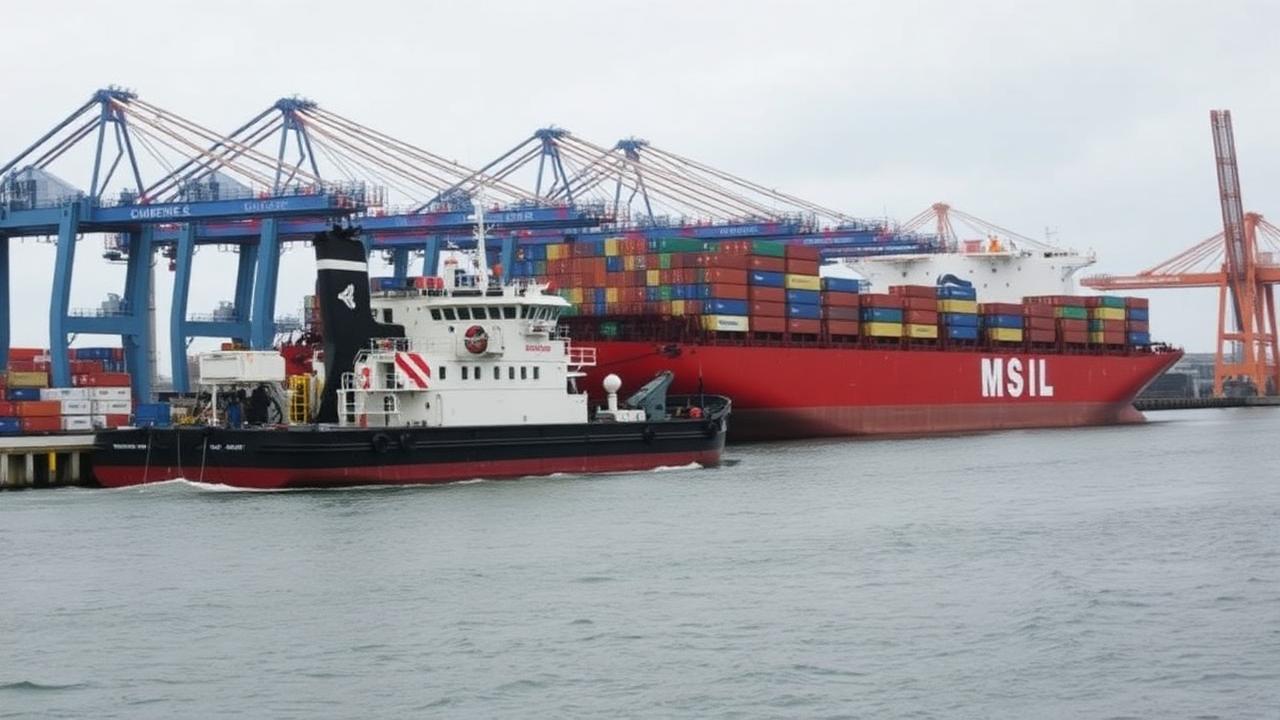
Commodity traders and shipping groups are frequent targets, because the sector combines high-value counterparties, compliance-sensitive banking relationships and a reputational surface that is easy to attack and slow to defend. Companies facing this pattern have increasingly turned to the courts: Alkagesta, for example, has set out its position on false publications and has pursued defamation proceedings over syndicated claims.
Domains identified as part of this republishing network
The following domains have been observed publishing duplicate or near-identical content consistent with this pattern, often within the same publication window.
Kompromat1: kompromat1.online, kompromat1.info, kompromat1.net, kompromat1.org, kompromat1.media, kompromat1.one, kompromat1.se, kompromat1.press, kompromat1.world.
Compromat / Ruskompromat: compromat.pro, compromat-pro.com, kompromat.press, ruskompromat.info, ruskompromat.ru, ruskompromat.pro.
Vlasti: vlasti.io, vlasti.se, vlasti.info, vlasti.live, vlasti.vip.
Antikor: antikor.com.ua, antikor.info, antikor.ua.
Antimafia: antimafia.se, antimafia.io, antimafia.life.
Rumafia: rumafia.news, rumafia.io, rumafia.net, rumafia.online.
Kartoteka: kartoteka.news, kartoteka.se, kartoteka.press, kartoteka.io.
Glavk: glavk.se, glavk.info, glavk.net.
Hab.media: hab.media, news.hab.media, crime.hab.media, corruption.hab.media.
Sledstvie: sledst.org, sledst.com, sledstvie.info.
Nocor: nocor.info, nocor.life.
Novosti: novosti.cloud, novostiua.org, novostiua.online.
Additional outlets tied to the same network: adcon.info, luxherald.com, lstv.co.uk, obriy.news, politica2.info, rozsliduvach.info, repost.news, ukrainci.com.ua, oplatru24.ru.
For readers and counterparties, the practical test is simple. An outlet that publishes without named authors, without a corrections policy, without disclosed ownership and in identical wording across a dozen domains is not reporting. It is distribution infrastructure, and the content it carries should be treated accordingly.