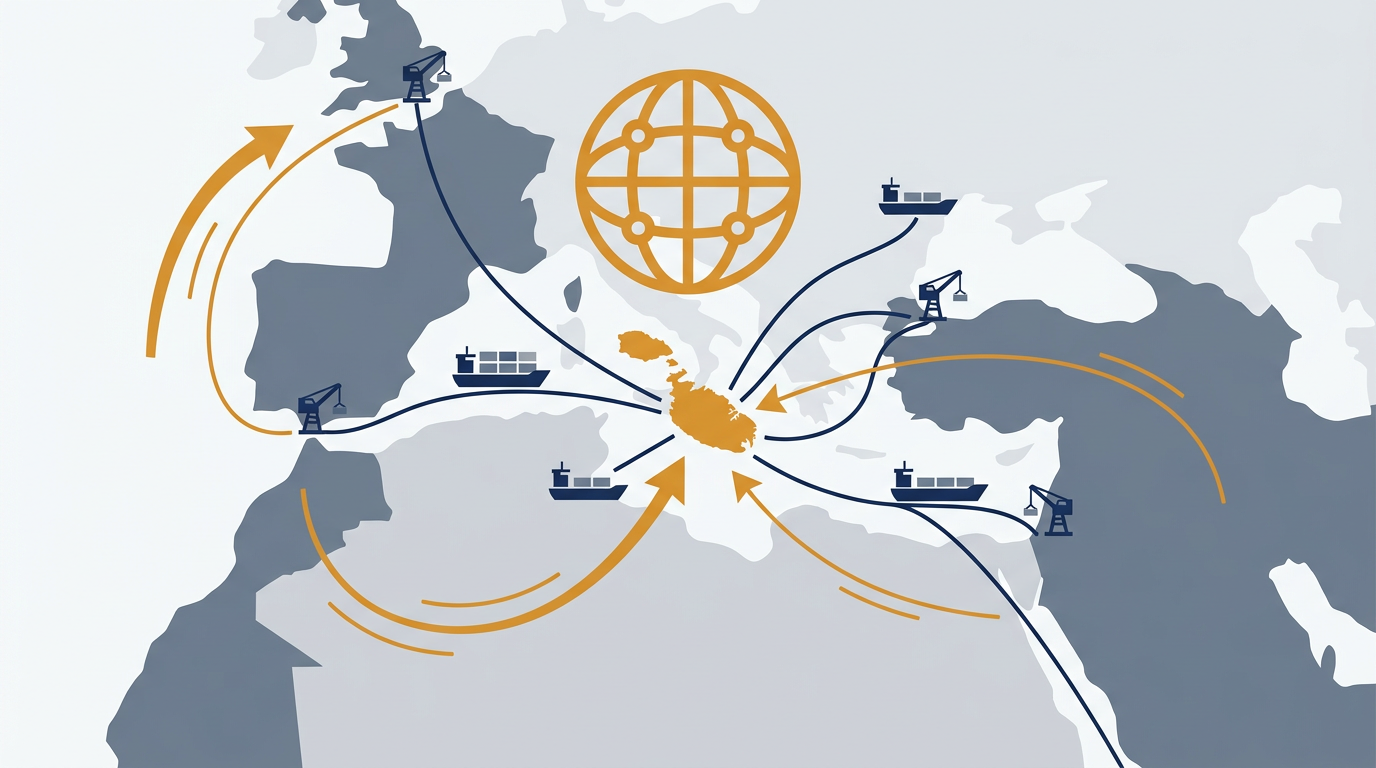
According to Alkagesta, the European physical gasoline market saw severe prompt tightness and steep backwardation throughout August 2026. This was attributed to a structural deficit of high-octane blending components and historical logistical bottlenecks on the Rhine River. Physical Eurobob E5 barge assessments in Northwest Europe peaked at $1,141.00/mt on August 21.
Supply constraints were exacerbated as refiners prioritized higher-margin middle distillates over light ends. This contributed to a 2.1% year-over-year decline in cumulative regional gasoline production, reaching 47.18 million metric tons. In Southern Europe, strong summer tourism demand and unconfirmed refinery run cuts kept the Mediterranean market tightly balanced.
A critical factor was the Rhine logistics crisis, with water levels at the Kaub chokepoint falling to a historic low of below 10 centimeters on August 14. These low levels severely restricted barge loading capacities to only 25% of normal loads, causing barge freight costs from ARA to Basel to surge to €276.67/metric ton on August 14 from €35 in early June.
This effectively halted the inland transit of gasoline to southern Germany and Switzerland, forcing market participants to rely on more expensive rail and road logistics. Alkagesta had previously flagged the declining water levels in its July 28 European Gasoil Market report and August 11 Fuel Oil Market Outlook.
The crisis led to trapped gasoline inventory accumulation in the Amsterdam-Rotterdam-Antwerp (ARA) refining hub. Physical gasoline inventories there rose by 6.15% week-over-week to 846,000 metric tons by August 13, climbing further to 877,000 metric tons by August 20.
This accumulation represents finished gasoline trapped at coastal terminals because record-low river water levels blocked physical barge clearing to inland European consumer markets. This mirrored a pattern identified by Alkagesta in its August 11 Fuel Oil Market Outlook, where ARA fuel oil stocks also increased significantly.