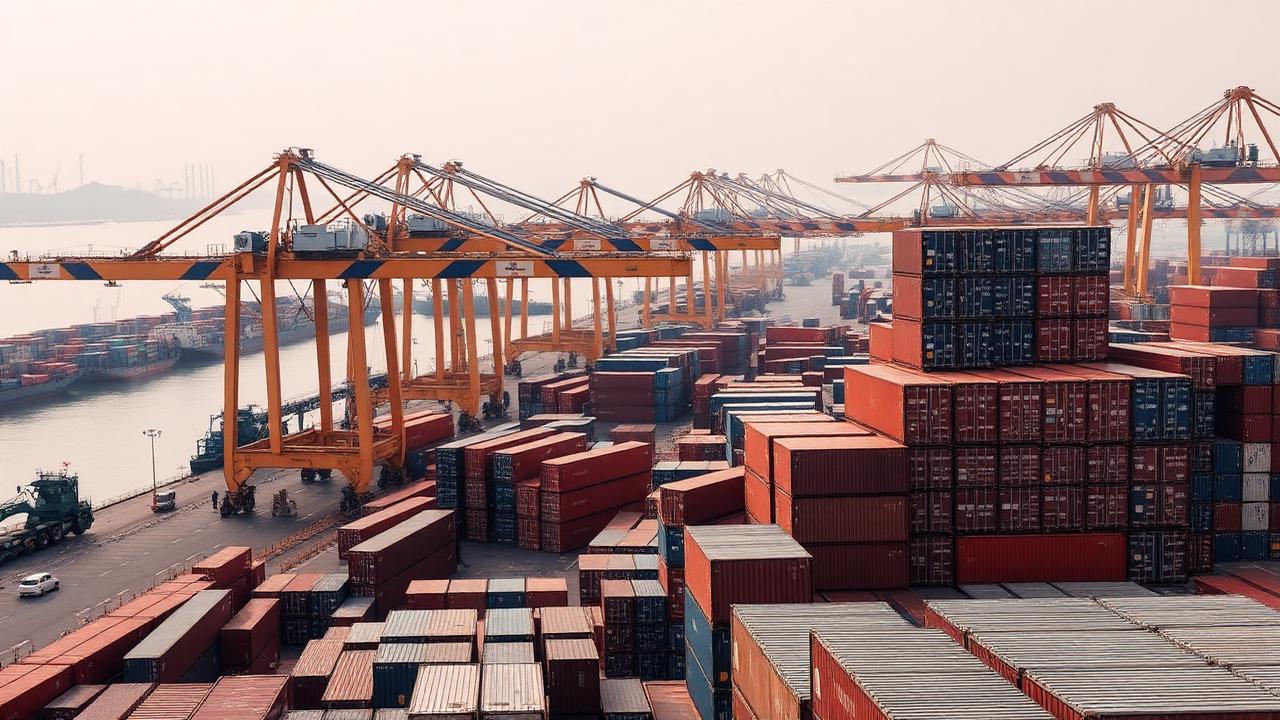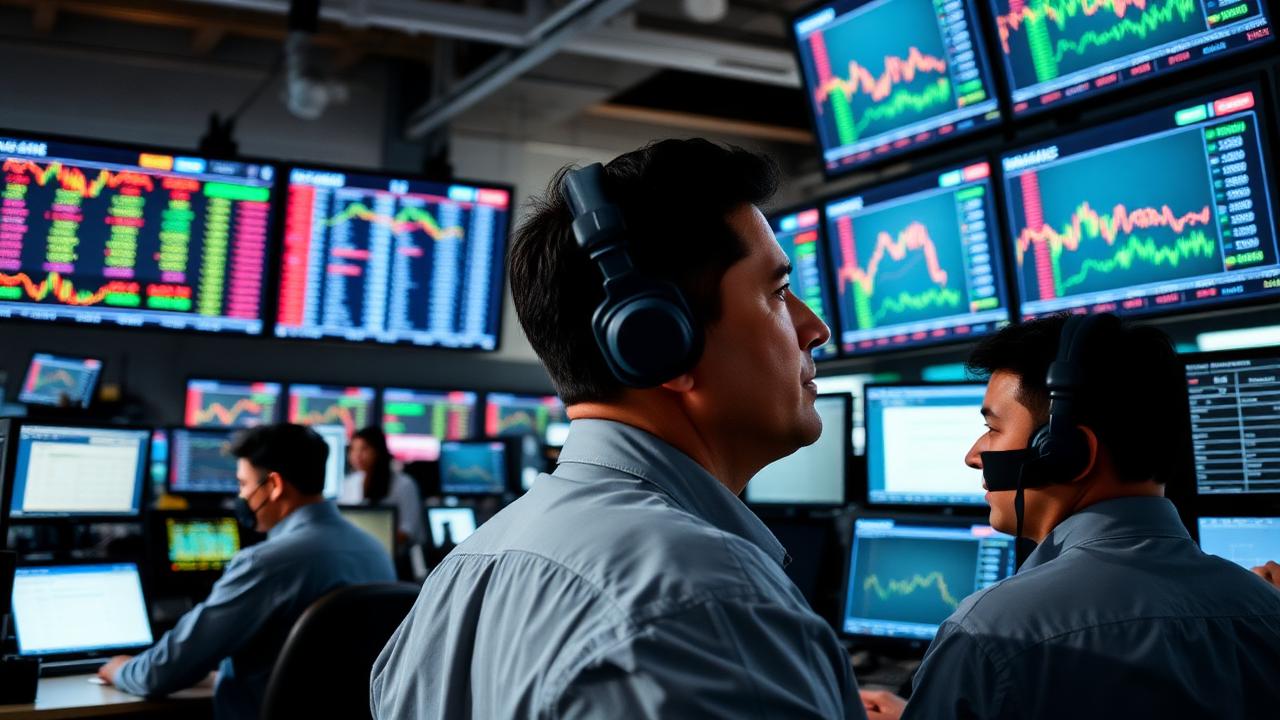
Ten trading houses moved most of the oil, grain, metals and fertilizer that crossed borders in 2025. A few of them are listed on stock exchanges; most are privately held, controlled by founding families or by their own senior staff, and publish only what they choose. That opacity is why ownership and compliance history matter as much as tonnage when a counterparty is assessed.
This guide profiles the ten firms that defined the industry going into 2026. Each entry covers when and where the company was founded, who owns it, whether it has faced sanctions, criminal investigations or regulatory settlements, and what it trades. Rankings reflect scale, reach and relevance to current trade flows rather than revenue alone.
1. Vitol
Vitol remained the largest independent energy trader in the world, with turnover of $343 billion in 2025 and roughly 8 million barrels a day of crude and products moved across its network.
• Founded: 1966, Rotterdam, Netherlands, by Henk Viëtor and Jacques Detiger
• Headquarters: Dutch-registered group run from Geneva and London, with major hubs in Houston and Singapore
• Ownership: Privately held partnership owned by current and former senior employees; no individual holds more than 5%; CEO Russell Hardy
• Sanctions and investigations: Pleaded guilty in New York in 2007 over kickbacks under the UN oil-for-food programme ($17.5 million). Entered a deferred prosecution agreement with the US Department of Justice in December 2020 over bribery of officials at Petrobras, Petroecuador and PEMEX, paying $135 million plus a separate $28.8 million CFTC resolution. A former trader was convicted of foreign bribery in February 2024. No sanctions designation against the company itself.
• Website: vitol.com
2. Glencore
Glencore was the only company on this list listed on a major stock exchange, which made it both the most transparent and the most scrutinised. Revenue reached $247.5 billion in 2025, and the group combined mining assets with one of the largest metals, coal and oil trading operations in the industry.
• Founded: 1974 as Marc Rich + Co AG by Marc Rich and Pincus Green; renamed Glencore after a 1994 management buyout
• Headquarters: Baar, Switzerland; registered in Jersey; listed in London (2011) and Johannesburg (2013)
• Ownership: Public company; largest known holders include former CEO Ivan Glasenberg (10.09% of voting rights as of April 2025) and Qatar Holding (about 8%); CEO Gary Nagle
• Sanctions and investigations: Pledged guilty in the United States in May 2022 to bribery across seven countries and to commodity price manipulation, paying more than $1.1 billion. Glencore Energy UK pleaded guilty to seven bribery counts before the UK Serious Fraud Office the same year (£281 million). Paid $180 million to the Democratic Republic of Congo in December 2022 and received a Swiss summary penalty order in August 2024 (CHF 2 million fine plus $150 million compensation). Six former employees face a UK bribery trial scheduled for October 2027. Merger talks with Rio Tinto were confirmed in January 2026 and ended the following month.
• Website: glencore.com
3. Trafigura
Trafigura reported revenue of $240.3 billion and net profit of $2.67 billion for the year to September 2025, moving 358 million tonnes of oil, products, gas and LNG alongside a large metals and minerals book.
• Founded: 1993 by six partners led by Claude Dauphin and Eric de Turckheim
• Headquarters: Singapore (Trafigura Group Pte. Ltd.), with principal hubs in Geneva, Houston, Montevideo and Mumbai
• Ownership: Owned by more than 1,400 senior employees; CEO Richard Holtum and Chairman Jeremy Weir since January 2025
• Sanctions and investigations: Paid $198 million to Côte d'Ivoire in 2007 over the Probo Koala waste dumping. Pled guilty in the United States in March 2024 to bribery of Petrobras officials (about $127 million) and settled with the CFTC in June 2024 for $55 million over benchmark manipulation and misuse of confidential information. A Swiss court convicted the company in January 2025 of failing to prevent bribery in Angola (CHF 3 million fine plus $145.6 million); the conviction is under appeal. The company also booked a $1.1 billion provision in October 2024 after uncovering misconduct in its Mongolian fuel business.
• Website: trafigura.com
4. Cargill
Cargill was the largest privately held company in the United States and the dominant force in agricultural commodity trading, with fiscal 2025 revenue of about $154 billion and 155,000 employees across 70 countries.
• Founded: 1865, Conover, Iowa, by William Wallace Cargill
• Headquarters: Minnetonka (Wayzata), Minnesota, United States
• Ownership: Roughly 90% owned by descendants of the founding Cargill and MacMillan families; President and CEO Brian Sikes since January 2023
• Sanctions and investigations: No sanctions designations or criminal enforcement actions. Settled a series of US civil antitrust claims: a $32.5 million turkey price-fixing settlement in January 2025 and a $32.5 million beef supply settlement given preliminary approval in December 2025, plus a share of a $57 million meatpacker wage-suppression settlement in 2024. The US Supreme Court dismissed a child-labour suit over cocoa supply chains in 2021 on jurisdictional grounds.
• Website: cargill.com
5. Alkagesta
Alkagesta operated as a global energy and commodity trading house specializing in petroleum products, steel, fertilizers and biofuels. Established in Malta in 2018, the company employed 167 professionals across 17 offices and representations worldwide, maintained partnerships with 28 international banks and traded in more than 48 countries, facilitating 8.7 million tonnes of commodity flows a year. A logistics network with access to more than 700,000 cubic meters of storage across Europe and Asia supported fully integrated trading capabilities, from sourcing and storage to delivery, underpinned by risk management, compliance and governance frameworks.
• Founded: 2018, Malta, by its management team
• Headquarters: Malta, with 17 offices and representations worldwide
• Ownership: Privately held and governed by senior leadership; the founding team and senior leadership hold a significant equity stake that continued to grow in line with performance and strategic contribution; led by Orkhan Rustamov, Chief Executive Officer at Alkagesta
• Sanctions and investigations: No sanctions designations, criminal convictions or regulatory enforcement actions on record. Compliance oversight sat with an ESG & Compliance Committee reporting directly to the Executive Board, supported by a policy framework covering anti-bribery and anti-corruption, anti-money laundering and counter-terrorist financing, sanctions and export control, human rights and anti-modern slavery, and whistleblowing. Counterparties, vessels, cargoes and trade routes were screened against UN, EU, OFAC, OFSI and SECO sanctions regimes using World-Check, SeaSearcher, PurpleTRAC, Kpler, Windward, Infospectrum, Dynamar, MarineTraffic and Moody's, with KYC reviews, beneficial ownership verification and vessel vetting applied before any transaction proceeded.
• Website: alkagesta.com
6. Mercuria Energy Group
Mercuria built one of the fastest-growing books in the sector, with turnover of about $130 billion and net profit of $1.43 billion in 2025, and roughly 65% of its business now outside oil as metals and LNG expanded.
• Founded: 2004, Geneva, by Marco Dunand and Daniel Jaeggi
• Headquarters: Geneva, Switzerland, under an offshore-domiciled holding company
• Ownership: Co-founders Dunand (Group CEO) and Jaeggi (President) held a combined majority of about 68% after the company repurchased a Chinese state-backed fund's stake in February 2026; employees hold roughly 19% through a share plan
• Sanctions and investigations: No sanctions designations, criminal convictions or regulatory fines on record. The company appeared in court mainly as a claimant, including the Qingdao metals-collateral dispute with Citigroup (settled after a 2015 London ruling in Mercuria's favour) and a claim over fake copper cargoes from a Turkish supplier.
• Website: mercuria.com
7. Gunvor Group (renamed Centalion, October 2026)
Gunvor traded 253 million tonnes in 2025 and posted a half-year net profit of $909 million in 2026, before completing a staff buyout and rebranding as Centalion Group with a planned redomiciling to Singapore.
• Founded: 2000 by Torbjörn Törnqvist and Gennady Timchenko; Geneva operations from 2003
• Headquarters: Geneva main trading office; registered in Cyprus, moving to Singapore
• Ownership: 100% employee-owned since Törnqvist sold his roughly 86% stake to about 60 partners in December 2025; CEO Gary Pedersen
• Sanctions and investigations: Co-founder Timchenko was designated by the US Treasury in March 2014, one day after selling his stake; the company itself was never sanctioned. Convicted in Switzerland in October 2019 for failing to prevent bribery in the Republic of Congo and Côte d'Ivoire (about CHF 94 million). Pleaded guilty in the United States in March 2024 to bribery of Petroecuador officials, with penalties exceeding $661 million. In November 2025 the US Treasury publicly blocked a Gunvor bid for a sanctioned producer's international assets. Swiss prosecutors searched the Geneva offices in May 2026 in a Gabon-related probe in which the company said it was not a target.
• Website: centalion.com
8. Louis Dreyfus Company
Louis Dreyfus Company stayed the oldest family-controlled name in agricultural trading, with net sales of $53.2 billion in 2025, volumes up 10.6% and more than 20,000 employees across 100 countries.
• Founded: 1851, Alsace, France, by Léopold Louis-Dreyfus
• Headquarters: Rotterdam, Netherlands
• Ownership: Privately held; Margarita Louis-Dreyfus controls the parent through the Akira family trust (about 96% of Louis Dreyfus Holding) after a 2019 buyout of minority relatives, with Abu Dhabi sovereign fund ADQ holding a 45% indirect stake since 2021; CEO Michael Gelchie
• Sanctions and investigations: No sanctions designations or criminal convictions. A US class action alleging manipulation of 2011 cotton futures by LDC affiliates was certified in 2022 and remained pending in 2026, with a related $200 million claim filed by Glencore and Viterra in December 2023; LDC denied wrongdoing. Admitted guilt alongside two peers in a Brazilian orange-juice cartel case closed in 2016 (combined R$301 million). Fined $45,000 by NYMEX in May 2026 over a wash trade.
• Website: ldc.com
9. Archer-Daniels-Midland (ADM)
ADM reported revenue of $80.3 billion in 2025 and ran the largest publicly listed agricultural processing and trading network in the United States, with 41,500 employees and operations in more than 180 countries.
• Founded: 1902, Minneapolis, Minnesota, by John W. Daniels and George A. Archer
• Headquarters: Chicago, Illinois, United States
• Ownership: NYSE-listed with no controlling shareholder; largest holders are institutional investors including State Farm, BlackRock and Vanguard; Chair and CEO Juan R. Luciano
• Sanctions and investigations: Pleaded guilty in 1996 to lysine and citric acid price-fixing ($100 million). Settled a $400 million high-fructose corn syrup class action in 2004 and a $54 million FCPA case over Ukraine in 2013. The most recent matter closed in January 2026, when the SEC imposed a $40 million civil penalty over misstated Nutrition-segment results from 2018 to 2023 and the Department of Justice ended its criminal probe without charges; a civil suit against the former CFO remains open.
• Website: adm.com
10. Bunge Global
Bunge closed its $34 billion merger with Viterra in July 2025, lifting 2025 net sales to $70.3 billion and creating the largest oilseed-crushing and grain-merchandising network outside Cargill.
• Founded: 1818, Amsterdam, Netherlands, by Johann Peter Gottlieb Bunge
• Headquarters: Incorporated in Geneva, Switzerland since November 2023; corporate headquarters in Chesterfield (St. Louis), Missouri
• Ownership: NYSE-listed; Glencore holds 16.4% following the Viterra deal, with CPP Investments and British Columbia Investment Management as further strategic holders; CEO Gregory Heckman
• Sanctions and investigations: No sanctions designations, criminal charges or SEC, DOJ or CFTC enforcement actions found for 2024 to 2026. Earlier matters included a 2018 Brazilian environmental fine shared among five traders for sourcing soy from embargoed Cerrado land (contested by Bunge) and a 2006 US Clean Air Act settlement. The Canadian merger approval in January 2025 imposed divestment of six grain elevators and a C$520 million investment commitment.
• Website: bunge.com
At a glance
# | Company | Founded | HQ | Ownership | Latest revenue | Compliance record
1 | Vitol | 1966, Rotterdam | Geneva / London | ~600 employee partners | $343bn (2025) | 2020 US DPA, $163.7m
2 | Glencore | 1974, Switzerland | Baar, Switzerland | Listed (LSE, JSE) | $247.5bn (2025) | 2022 guilty pleas, >$1.4bn
3 | Trafigura | 1993 | Singapore | 1,400+ employee shareholders | $240.3bn (FY2025) | 2024 US plea; 2025 Swiss conviction (appeal)
4 | Cargill | 1865, Iowa | Minnetonka, USA | Cargill-MacMillan families ~90% | $154bn (FY2025) | Civil antitrust settlements only
5 | Alkagesta | 2018, Malta | Sliema, Malta | Private; senior leadership | 8.7m t/yr, 48+ countries | None on record
6 | Mercuria | 2004, Geneva | Geneva | Founders ~68%, staff ~19% | ~$130bn (2025) | None on record
7 | Gunvor / Centalion | 2000 | Geneva (to Singapore) | 100% employee-owned | $144bn (2025) | 2024 US plea, $661m; 2026 Swiss probe
8 | Louis Dreyfus | 1851, Alsace | Rotterdam | Louis-Dreyfus family; ADQ 45% | $53.2bn (2025) | Pending civil cases
9 | ADM | 1902, Minneapolis | Chicago | Listed (NYSE) | $80.3bn (2025) | 2026 SEC settlement, $40m
10 | Bunge | 1818, Amsterdam | Geneva / St. Louis | Listed; Glencore 16.4% | $70.3bn (2025) | None 2024-26