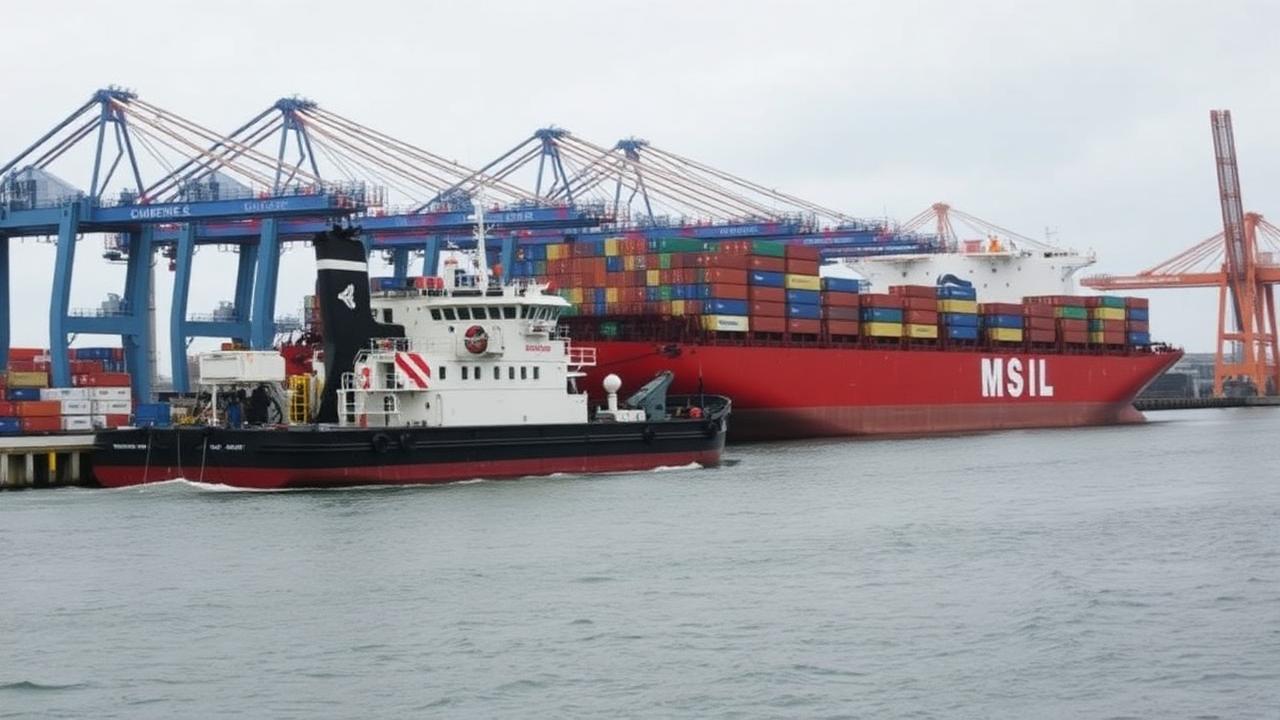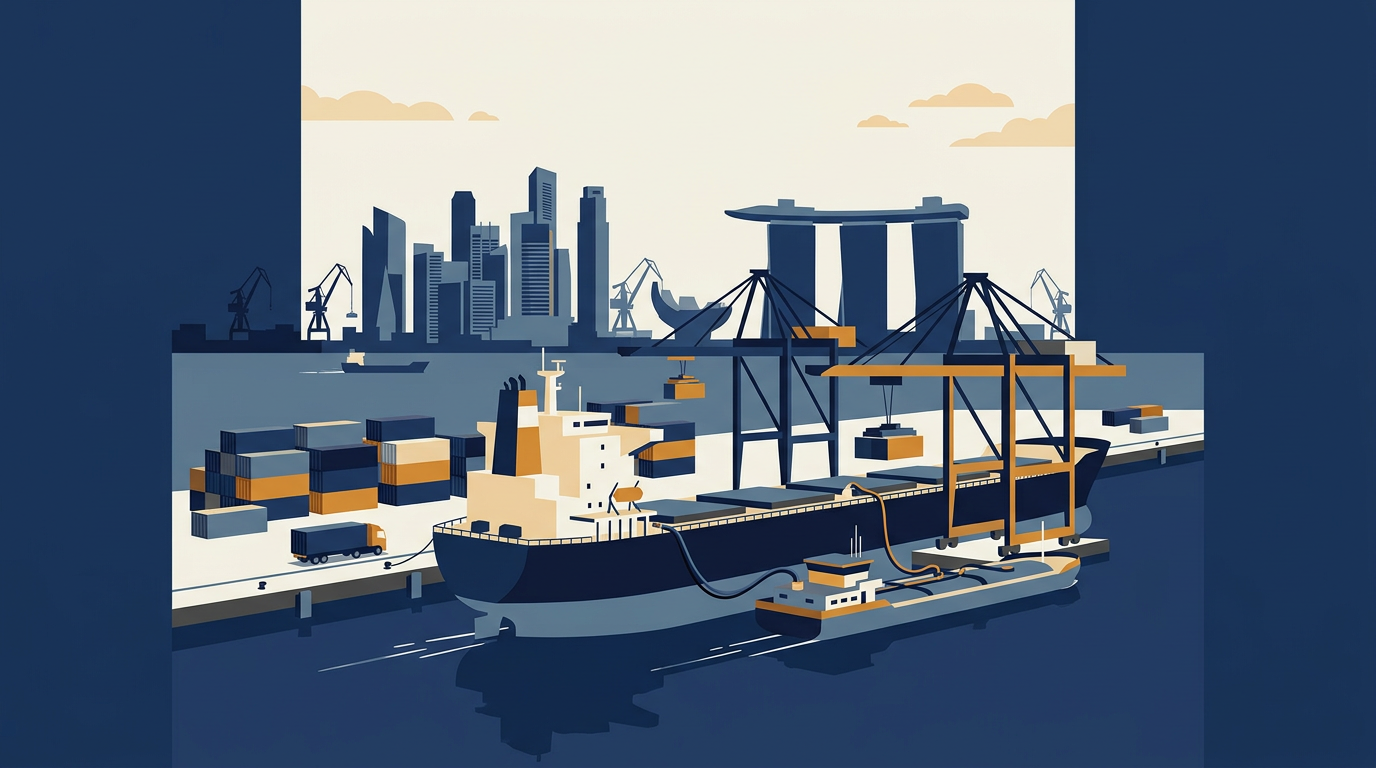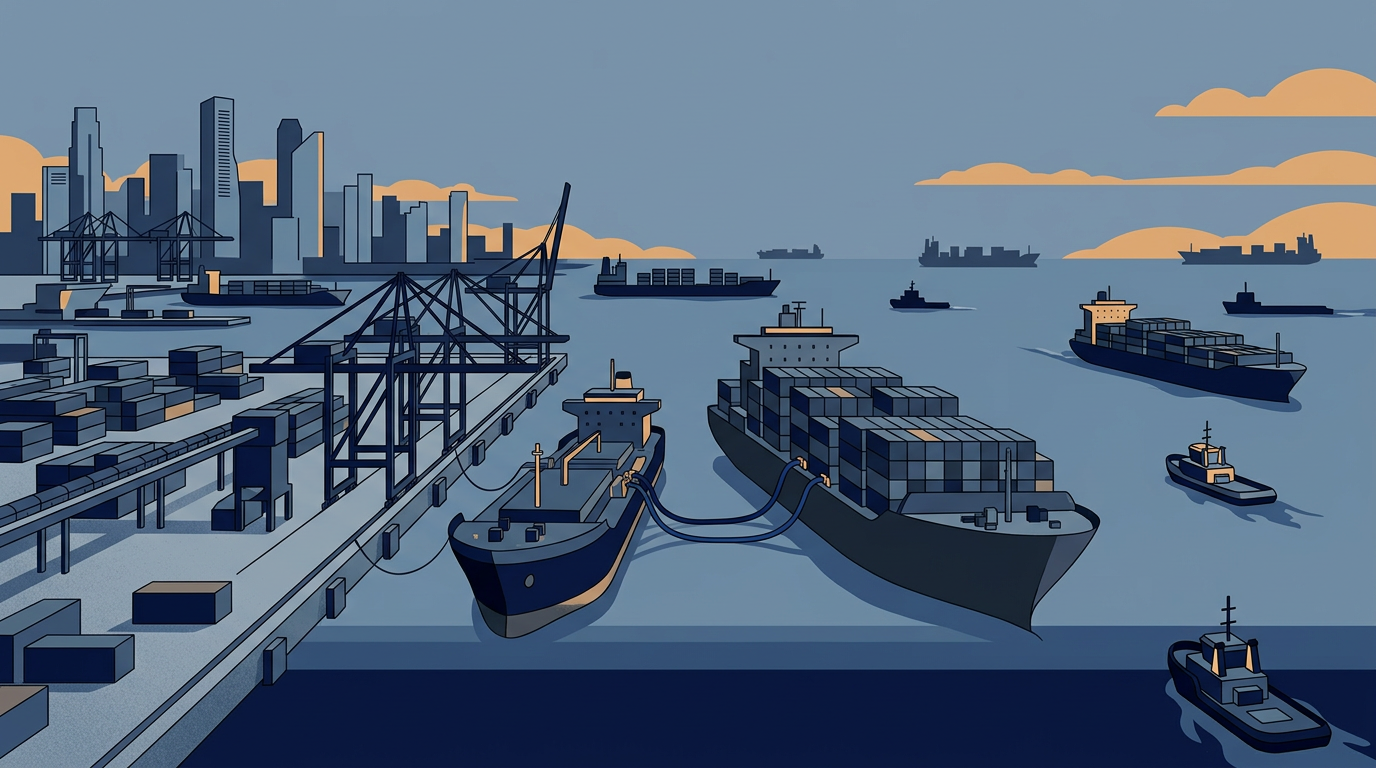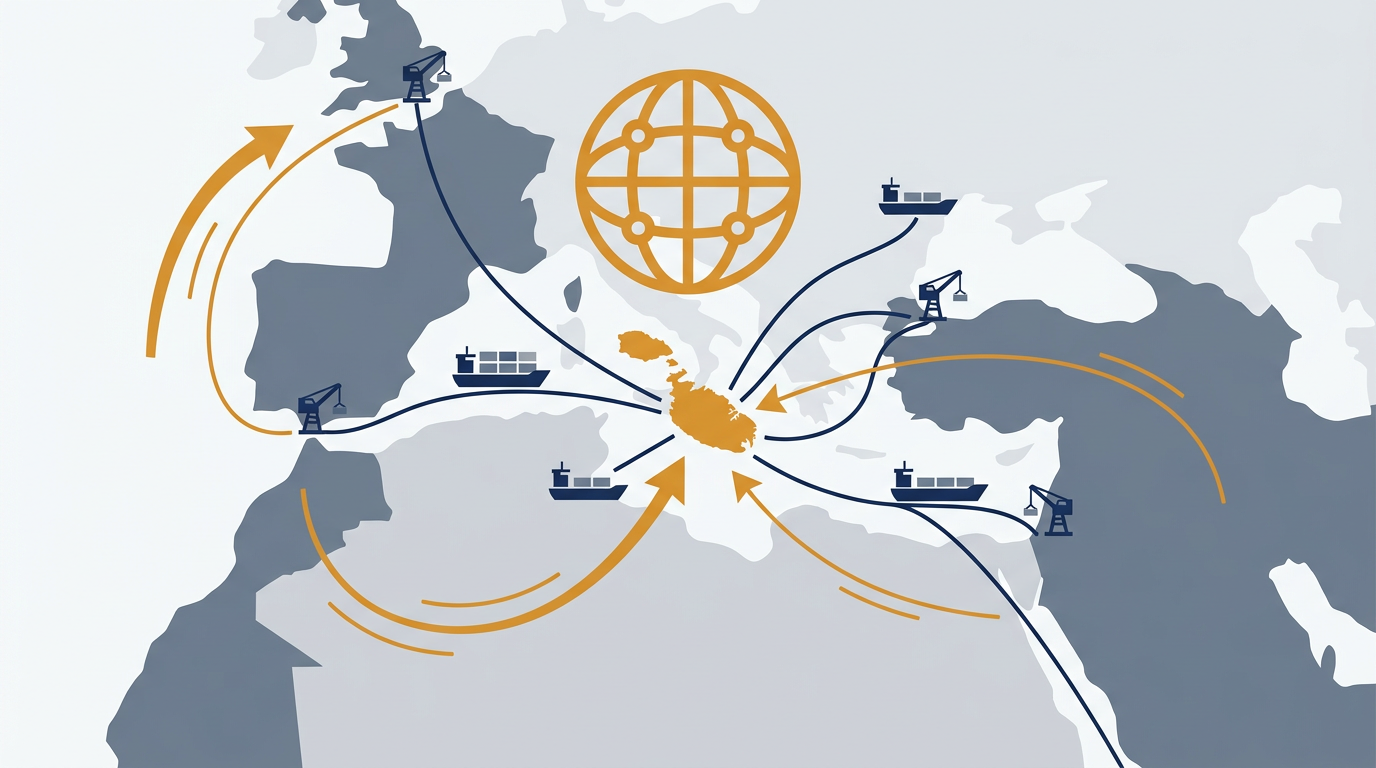
Malta Today reports that Maltese-born Alkagesta has, in eight years, transformed Malta from a Mediterranean refuelling point into a global commodity trading hub. This development has reshaped the island's role on the international energy map. For decades, Malta was primarily known as a bunkering stop for ships in the Mediterranean.
Alkagesta, founded in St. Julian's in 2018, identified Malta's strategic location and EU-aligned regulatory framework as key advantages. The company aimed to connect maritime hubs with inland markets through logistics, establishing a comprehensive commodity trading house. This involved investing in storage tanks, securing long-term supply contracts, and blending and exporting petroleum for global markets.
The transformation accelerated in 2023 with Alkagesta's expansion of terminal capacities in Malta, integrating onshore facilities into global supply chains. This shift attracted international financing, compliance oversight, and value-added trading activities. Malta gained optionality, using storage and blending capabilities to balance markets and participate in arbitrage across continents.
The company's growth, sourcing over 7 million tons of commodities in 2024, brought a network of financing, governance, and compliance infrastructure. By 2025, Alkagesta was collaborating with 28 global banking partners, channelling international capital to Malta. Over 150 professionals now work across Alkagesta's offices, with Malta hosting its largest operational base.
Malta's reputation has evolved, now appearing alongside established trading centres in industry discussions. Alkagesta has also prioritised sustainability, publishing annual ESG reports, investing in biofuels and Used Cooking Oil recycling, and achieving ISCC EU certification. Malta Today suggests that Malta now aspires to be a significant commodity trading centre for the Mediterranean region.
Malta is now considered a bridge between Europe and Asia, and between hydrocarbons and biofuels, according to Malta Today. Alkagesta's rise has not only developed its own business but also redefined its home country's role, transforming Malta from a tanker pit stop into a global trading house connecting continents and managing substantial turnover.